Winter in Maryland brings a unique mix of weather challenges, from freezing nights and icy mornings to fluctuating daytime temperatures. These conditions place significant strain on residential HVAC systems, especially heating equipment that may have gone largely unused during the warmer months. As a homeowner, preparing your HVAC system for winter is essential for maintaining comfort, energy efficiency, and reliability throughout the season.
This comprehensive HVAC winter maintenance checklist from Synergy Mechanical Solutions is designed specifically for Maryland homeowners. It addresses regional climate demands, common residential heating systems, and practical steps you can take to ensure dependable performance. Our goal is to help you be confident that your system is ready to perform when you need it most.
Inspect and Test Your Heating System Before Temperatures Drop
One of the most important steps in winter HVAC preparation is inspecting and testing your heating system before cold weather becomes consistent. Running your system early allows you to identify performance issues while conditions are still manageable, rather than during peak winter demand.
Start by turning on your heating system and monitoring how it operates. Your system should start smoothly, heat your home efficiently, and maintain steady temperatures. Delayed startup, short cycling, or uneven heating may indicate underlying problems that should be addressed promptly.
When inspecting your system, pay close attention to common warning signs, including:
- Unusual noises such as banging, grinding, or squealing
- Uneven temperatures between rooms
- Weak airflow from supply vents
- Persistent or burning odors beyond initial startup
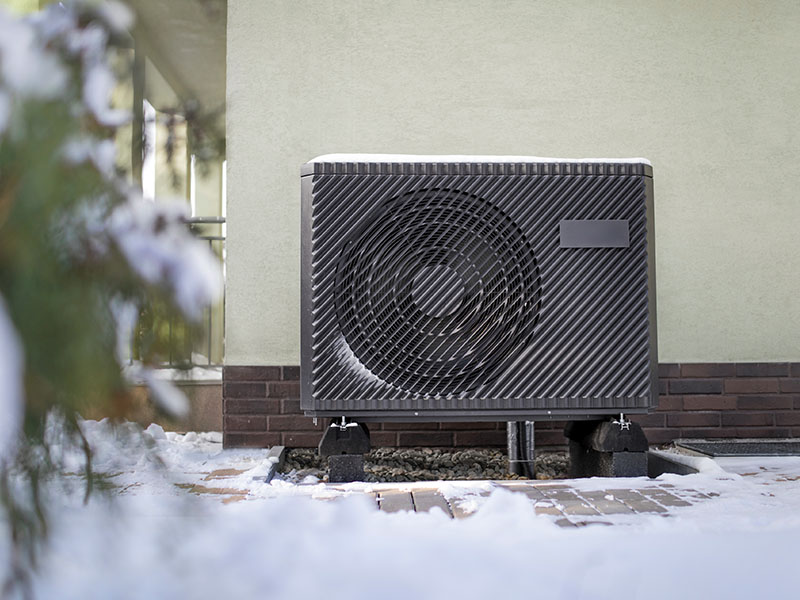
Visually inspect your heating equipment and take note of any rust, corrosion, loose connections, or excessive dust buildup. For heat pump systems, which are common in Maryland homes, verify that the system transitions properly into heating mode and completes defrost cycles correctly. If you notice any of these concerns, reach out to Synergy Mechanical Solutions. Taking early action reduces the likelihood of emergency breakdowns and ensures your heating system is prepared for sustained winter operation.
Replace Air Filters and Maintain Proper Airflow
Air filters are a critical yet often overlooked component of HVAC winter maintenance. During winter, your heating system operates more frequently, causing filters to collect dust, debris, and allergens at an accelerated rate. A clogged filter restricts airflow, forcing your system to work harder and increasing energy consumption.
You should check your HVAC air filter at least once a month during winter and replace it as needed. Most homeowners benefit from replacing filters every one to three months, depending on household conditions. Homes with pets, allergies, or higher occupancy may require more frequent changes.
Signs that your air filter needs replacement include:
- Reduced airflow from vents
- Increased dust accumulation indoors
- Higher-than-normal heating bills
- More frequent HVAC cycling
Proper airflow also depends on vent placement and accessibility. Ensure that supply and return vents are not blocked by furniture, rugs, or curtains. All vents should remain open to promote balanced air distribution and eliminate cold spots.
Maintaining clean filters and unobstructed airflow improves indoor air quality, supports consistent heating, and reduces unnecessary strain on your HVAC system.
Optimize Thermostat Settings for Efficiency and Comfort
Your thermostat plays a central role in how efficiently your HVAC system operates. Before colder weather arrives, confirm that your thermostat is functioning properly and is accurately reflecting indoor temperatures. Even small calibration issues can lead to uneven heating and increased energy costs.
Programmable and smart thermostats offer significant benefits for winter efficiency. These systems allow you to create temperature schedules that match your daily routine, reducing heating output during sleeping hours or when the home is unoccupied. Over the course of a Maryland winter, even modest temperature setbacks can result in meaningful energy savings.
To optimize thermostat performance, consider the following best practices:
- Set consistent temperatures rather than frequent manual adjustments
- Lower temperatures slightly overnight and during work hours
- Avoid drastic temperature changes that force the system to work harder
- Ensure the thermostat is located away from drafts or heat sources
If your home struggles to maintain consistent temperatures despite proper thermostat use, the issue may stem from insulation, ductwork, or airflow rather than thermostat settings alone.
Inspect Ductwork and Insulation to Prevent Heat Loss
Ductwork and insulation play a critical role in how effectively warm air is delivered throughout your home. In many Maryland homes, duct systems run through unconditioned spaces such as attics, basements, or crawl spaces, where heat loss can significantly impact comfort and efficiency.
Inspect accessible ductwork for visible gaps, disconnected sections, or damaged insulation. Even small leaks can allow heated air to escape before reaching living areas, forcing your HVAC system to run longer to compensate.
Common signs of duct or insulation issues include:
- Cold rooms despite the heating system running
- Drafts near floors or exterior walls
- Uneven temperatures throughout the home
- Rising winter energy bills
Insulation quality also affects how well your home retains heat. Inadequate insulation allows warmth to escape through walls, ceilings, and floors, increasing heating demand. Addressing duct leaks and insulation deficiencies improves temperature consistency, enhances comfort, and reduces overall HVAC workload.
By preventing heat loss, you create a more stable indoor environment and help your heating system operate efficiently.
Manage Indoor Humidity for Better Winter Comfort
Winter air in Maryland is typically dry, especially once cold outdoor air is heated indoors. Low humidity levels can make your home feel colder than it actually is, leading to higher thermostat settings and increased energy use. Dry air can also cause discomfort, such as dry skin, irritated sinuses, and static electricity.
Maintaining balanced indoor humidity improves comfort and allows you to feel warmer at lower temperatures. Most homes benefit from keeping relative humidity levels between 30 and 50 percent during winter. Portable humidifiers or whole-home humidity control systems can help achieve this balance.
Proper humidity control also protects your home and HVAC system. Excessively dry air can cause wood floors, furniture, and trim to crack, while excessive humidity may lead to condensation and mold growth. Balanced humidity supports healthier indoor air quality and more efficient heating performance.
Prioritize Safety and Schedule Professional HVAC Maintenance
Safety is a vital component of winter HVAC operation, particularly for homes with gas or oil heating systems. During winter, homes are sealed more tightly, increasing the risk of carbon monoxide buildup if equipment is not properly maintained.
Before winter, ensure the following safety measures are in place:
- Carbon monoxide detectors installed on every level of the home
- Clear exhaust vents, chimneys, and flue pipes
- No combustible items stored near heating equipment
- Proper system startup without persistent odors
While homeowners can manage basic maintenance, professional HVAC service provides a deeper level of inspection and protection. A professional winter tune-up includes checking electrical connections, testing safety controls, inspecting heat exchangers, and verifying overall system efficiency.
Routine professional maintenance also helps prevent unexpected breakdowns, improves system reliability, and extends the lifespan of your HVAC equipment. If you struggle to stay on top of these tasks, it’s also worth looking into an HVAC maintenance plan, which can help keep you on track.
Choose a Trusted HVAC Partner for Winter Reliability
Winter in Maryland can be unpredictable, but your comfort at home should not be. When your HVAC system is prepared before the heating season begins, your home benefits from steady temperatures, improved efficiency, and fewer unexpected disruptions. Winter readiness is ultimately about creating a living environment you can rely on, even when outdoor conditions are at their harshest.
That confidence comes from working with an HVAC partner who understands Maryland homes and how local winter conditions affect heating systems over time. The right provider helps you move into winter with clarity, knowing your system has been evaluated, optimized, and prepared to perform when demand is highest.
At Synergy Mechanical Solutions, we provide comprehensive heating services designed to support homeowners through every stage of winter—from preventative maintenance and system tune-ups to heating repairs and full system replacements. Our focus is on practical, long-term solutions that help your HVAC system perform reliably throughout the season. If you want to move into winter with confidence in your heating system, contact us today. Our team is ready to help.